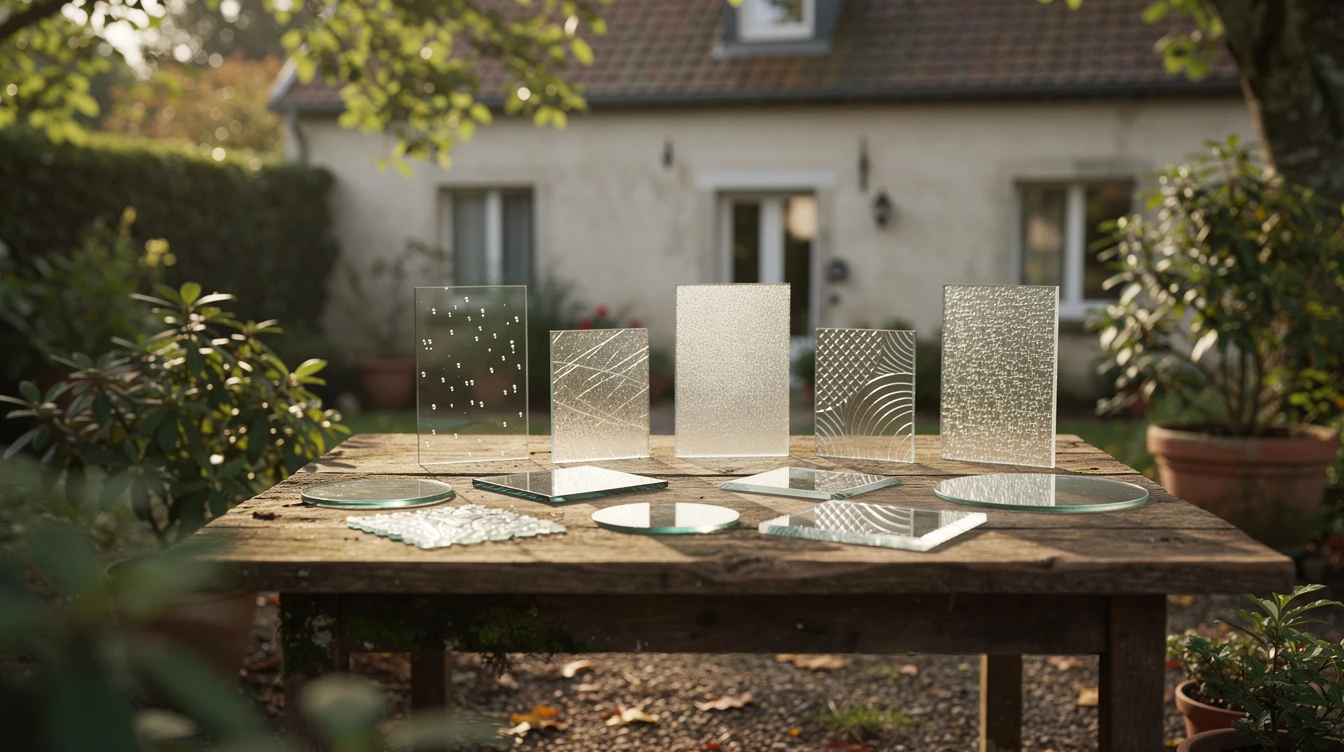
Making a choice between double glazing and single glazing stands as a significant step for homeowners considering window upgrades in Asse, Belgium. The region’s climate, characterized by chilly winters and fluctuating noise levels, highlights the importance of evaluating which option delivers real advantages. This decision is not only about the initial price; it involves analyzing factors such as energy efficiency, indoor comfort, noise reduction, and long-term return on investment. Installation quality is equally crucial—entrusting the project to specialists like Jack Glass Repair ensures that every benefit is fully realized.
Understanding glazing types and their structure
The term “glazing” refers to the glass component found within windows and doors. While single pane solutions were once widespread across Belgium, evolving energy standards have shifted preferences toward more advanced options. Both single and double glazing serve different purposes, but they diverge greatly in terms of thermal and acoustic performance.
Single glazing consists of just one transparent glass panel set into a frame. In contrast, double glazing features two panes separated by an insulating gap filled with air or inert gas. This space is responsible for much of the difference in heat retention and sound management between the two systems. If your current windows are damaged, it’s essential to address any issues promptly. One efficient solution available locally is glass repair in Asse, ensuring your glazing continues to perform at its best.
How does single glazing function?
A window fitted with single glazing provides little resistance to temperature transfer, allowing heat to escape easily during winter and letting warmth penetrate in summer. As a result, properties equipped with these windows often feel less comfortable throughout the year. While single glazed units may still be present in older homes—sometimes for heritage reasons or due to renovation delays—their main attraction remains low upfront cost and straightforward installation. However, these windows rarely satisfy modern expectations regarding comfort or utility bills.
For those prioritizing minimal expense over performance, single glazing might seem appealing at first glance. Yet, this approach often leads to higher energy costs and diminished living standards over time.
What makes double glazing different?
Double glazing introduces a second layer of protection: two panels are separated by a sealed air pocket, sometimes enhanced with gases such as argon. This construction significantly improves insulation, reducing both heat loss and external noise transmission—qualities especially valued by families in busy neighborhoods or wind-exposed areas of Asse.
Modern double glazed windows offer various thicknesses, special coatings, and diverse frame materials. Each detail influences overall performance and durability. Trustworthy suppliers like Jack Glass Repair ensure precise installation, maximizing all technical benefits and extending window lifespan.
Energy efficiency and thermal comfort
Heating accounts for a considerable portion of residential energy use in Belgium. Poorly insulated windows can lead to substantial heat loss, resulting in increased utility expenses. Upgrading from single to double glazing directly addresses this issue by boosting a property’s thermal envelope.
In terms of U-value (a measure of how well a window prevents heat from escaping), single glazing typically scores around 5.0 W/m²K. Double glazed units, however, range from 1.2 to 2.8 W/m²K. Lower U-values signify greater resistance to thermal transfer, helping interiors remain warm in winter and cooler during summer months.
Environmental perks of better insulation
Enhancing home insulation through double glazing generates financial savings and reduces carbon emissions tied to heating. Lower energy consumption helps advance local sustainability goals—a growing focus in Flemish communities such as Asse.
This ecological advantage also enhances property appeal, attracting environmentally conscious buyers. With stricter regulations and rising energy costs, these improvements become increasingly valuable over time.
Tangible changes for everyday living
Households transitioning to double glazing frequently notice more stable indoor temperatures. Draughts common with outdated single panes virtually disappear, leading to improved comfort despite changing outdoor weather. Evenings feel warmer, and reduced dependence on radiators results in lower monthly energy bills.
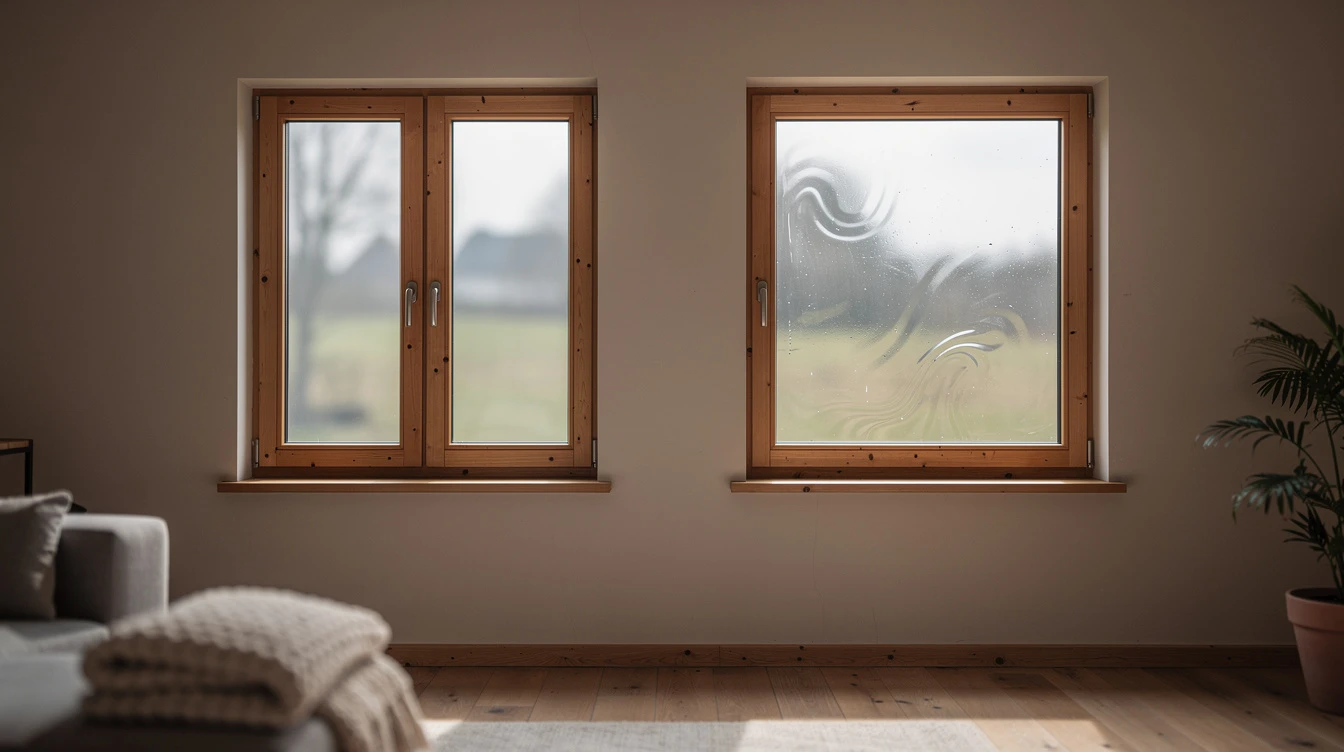
The difference becomes evident when standing near a double-glazed window compared to a single-glazed one—there is less cold radiating from the glass, and condensation issues diminish thanks to the reduced surface temperature differential.
Noise reduction and privacy improvements
Residents of Asse often contend with sounds from traffic, construction, and urban life. Double glazing acts as an effective acoustic barrier, its extra layer absorbing vibrations and creating a quieter indoor environment.
This improvement is particularly appreciated by households seeking peaceful evenings or productive workspaces. Enhanced privacy can be achieved without resorting to heavy curtains or additional soundproofing measures.
- Superior outdoor noise blocking capability
- Improved tranquility for sleep and concentration
- Less intrusion of city sounds for street-level rooms
- Clear window views without bulky coverings
Compared to single glazing, which transmits nearly all ambient noise, double glazed windows provide a noticeable buffer, contributing to greater relaxation and well-being inside the home.
Cost considerations: initial price, savings, and return on investment
Switching to double glazing requires a higher upfront expenditure than repairing or installing single panes. However, the real advantage lies in the ongoing savings that accumulate each year. Evaluating the total investment helps determine whether short-term spending will translate into meaningful long-term gains.
On average, a double glazed window ranges from €300 to €700 per unit installed, depending on size, specifications, and installer selection. Single glazing may be less costly initially but usually falls short of requirements for government incentives or grants.
Estimating payback period
Annual energy savings after upgrading to double glazing typically range from €100 to €200 for a standard three-bedroom Belgian home. When factoring in decreased maintenance needs and fewer repairs, the break-even point can be reached within seven to ten years—especially when installation is handled by professionals like Jack Glass Repair.
The value gained extends beyond direct financial returns. Enhanced home valuation and increased buyer interest help recover part of the initial outlay if the property is sold in the future.
Potential extra costs and hidden savings
Some property owners hesitate due to possible additional costs, such as painting, new frames, or disposal of old units. Engaging a reputable company ensures complete transparency regarding all aspects of the upgrade, minimizing surprises and keeping budgets under control.
There are further savings to consider: insurance premiums often decrease following the installation of secure, double glazed windows, while ongoing maintenance demands decline due to improved durability and resistance to condensation.
| Feature | Single Glazing | Double Glazing |
|---|---|---|
| U-value (lower is better) | ~5.0 W/m²K | 1.2–2.8 W/m²K |
| Typical lifespan | 15–20 years | 30+ years |
| Noise reduction (dB) | 18–20 dB | 24–31 dB |
| Estimated ROI period | N/A | 7–10 years |
| Installation cost (per unit) | €120–€250 | €300–€700 |
Choosing the right installer for optimal results
The technical superiority of modern windows can only be fully realized with professional installation. Improper fitting risks undermining all expected benefits—thermal leaks, misaligned sashes, or overlooked gaps can negate any anticipated improvements. Homeowners in Asse consistently rely on experts like Jack Glass Repair, who combine expert craftsmanship with comprehensive service plans.
Experienced installers handle site inspection, recommend suitable glazing tailored to building specifics, and manage the removal and disposal of old units. Working with knowledgeable providers ensures compliance with regional standards, eligibility for available subsidies, and a seamless experience from consultation through completion.
- Personalized advice for window selection
- Accurate measurement and perfect fit
- Clean, efficient installation and thorough clean-up
- Guidance on maximizing the value of double glazing
Entrusting glazing upgrades to reliable professionals guarantees that solutions align with both property requirements and household lifestyle—transforming what could be a simple update into a lasting investment.
For those ready to enhance energy efficiency, comfort, and property value, now is the perfect opportunity to consult with Jack Glass Repair and take the next step toward a more sustainable and enjoyable home in Asse.
What are the main reasons to replace single glazing with double glazing?
- Reduction in heat loss for lower heating bills
- Significant boosting of comfort, eliminating drafts and cold spots
- Noticeable decrease in noise transmission from outside
- Higher property value upon resale and better compliance with local regulations
Is double glazing always worth the investment for old houses?
For older properties, double glazing pays off in terms of warmth and energy saving. Some restrictions may apply to protected buildings, but modern options exist that suit traditional facades without sacrificing performance.
- Bespoke solutions respecting original aesthetics
- Consultation with heritage authorities, where needed
- Modern slimline products now available
Are there any financial aids for installing double glazing in Asse?
Multiple aid schemes, grants, or tax credits support window improvements in Belgium. Conditions change annually, so partnering with specialists such as Jack Glass Repair helps navigate the paperwork and optimize subsidy potential.
- Federal energy-saving grants
- Regional bonuses for improved insulation
- Occasional additional incentives from communes
How long does it take to install double glazing in a standard home?
A team of professionals typically completes a three-bedroom house replacement in two to five days. Timeline varies depending on home age, access issues, and number of windows involved.
- Smaller apartments may finish in a single day
- Larger properties or complex designs require extra planning
| Home type | Average Duration |
|---|---|
| Apartment | 1 day |
| Standard detached | 2-4 days |
| Large villa | Up to 7 days |